

The date and place of Campbell’s birth and the names of his parents are unknown. Beginning in the mid-1760s, his name appears from time to time in the Frederick County records as a witness to deeds, and in July 1768, he and his wife, Rebecca Campbell, whose maiden name is unrecorded, sold 150 acres of land, situated probably near the site of the town of Woodstock, where they lived and had five sons. In May 1772, Campbell received a license to operate an ordinary at his house. The following month, he became a deputy sheriff, with duties such as housing prisoners and maintaining the county jail. Campbell was reappointed on November 22, 1774, and in November of the following year, he was instructed to take a census in a district of the county. The incomplete census of Dunmore County is the only known surviving census of a Virginia county from the period.
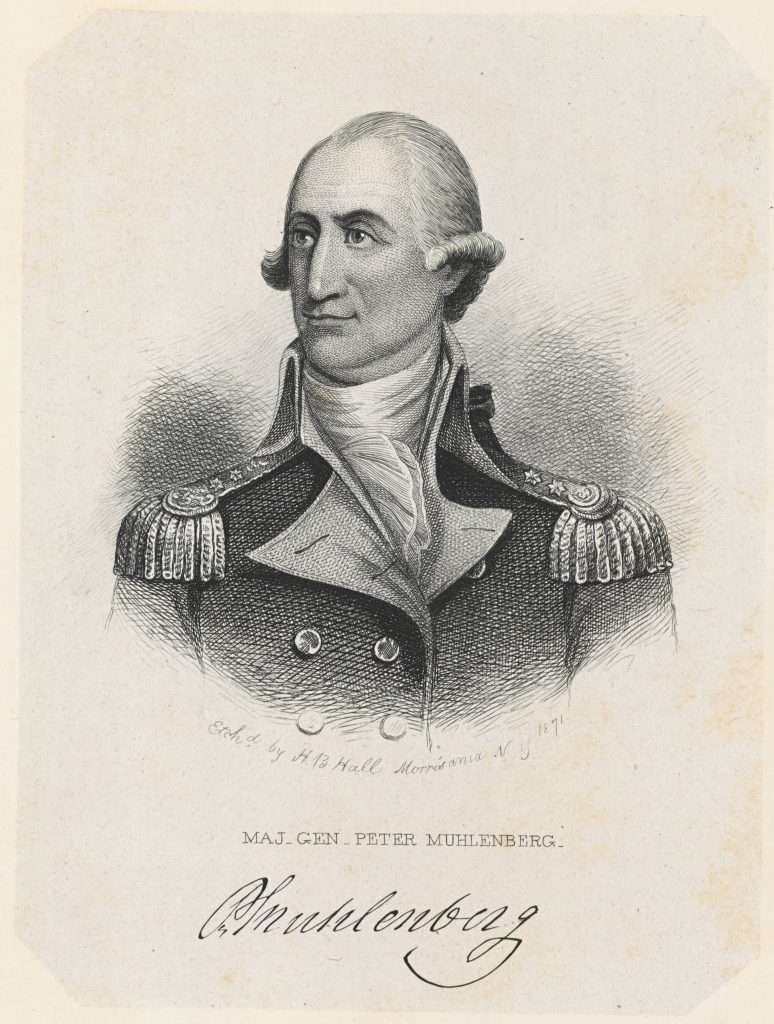
Events soon overshadowed the daily routine of earning a living and Campbell’s duties as a minor county official. In January 1775, the Dunmore County Committee held its first meeting at his tavern. One year later, on about January 23, 1776, the committee chose Campbell and Jonathan Clark to command the two companies of riflemen being recruited in the county for service in the 8th Virginia Regiment, also known as the German Regiment, under the command of Campbell’s neighbor John Peter Gabriel Muhlenberg. Clark commanded the company of German-speaking soldiers and Campbell the English-speaking company. Commissioned a captain on February 19, 1776, Campbell marched during the summer to Charleston, South Carolina, but his unit saw no action. General Charles Lee promoted Campbell to major of the regiment, his commission to date from August 10, 1777.

By then, Campbell had marched to Pennsylvania, where he probably participated in the Battle of Brandywine on September 11, 1777. On September 29, he was transferred to the 13th Virginia Regiment, and in May 1778, he was ordered to York, Pennsylvania. For the next two and a half years and under a succession of commanders, Campbell participated in the defense of western Pennsylvania. Receiving a brevet promotion to lieutenant colonel dating from February 20, 1778, he was stationed for most of the time at Fort Pitt, but during inconclusive forays by his commanders into the western territory, he occasionally commanded small outposts in the upper Ohio Valley. On September 14, 1778, Campbell’s regiment was reorganized as the 9th Virginia Regiment under the command of John Gibson.
Frustrated that his severely depleted regiment could do little as a result of the expiration of enlistments and believing that his skills could be put to better use elsewhere, Campbell wrote directly to General George Washington on March 16, 1780, requesting a transfer. He explained, “When I Stept forth in the Armey it was my determination to Render my Cuntry Ever Service, In my Power & wish to be allways where i Could take an Active Part, & as there has Been Officers Ordered from Differant Reigts: To Command Troops to the Southward I Should be Glad to meet with the Same Indulgance.” On February 12, 1781, Campbell finally received the coveted orders transferring him to the 4th Virginia Regiment and sending him to Virginia. Later that month, he led 400 men to North Carolina, where he reported to General Nathanael Greene’s headquarters on or about March 10.
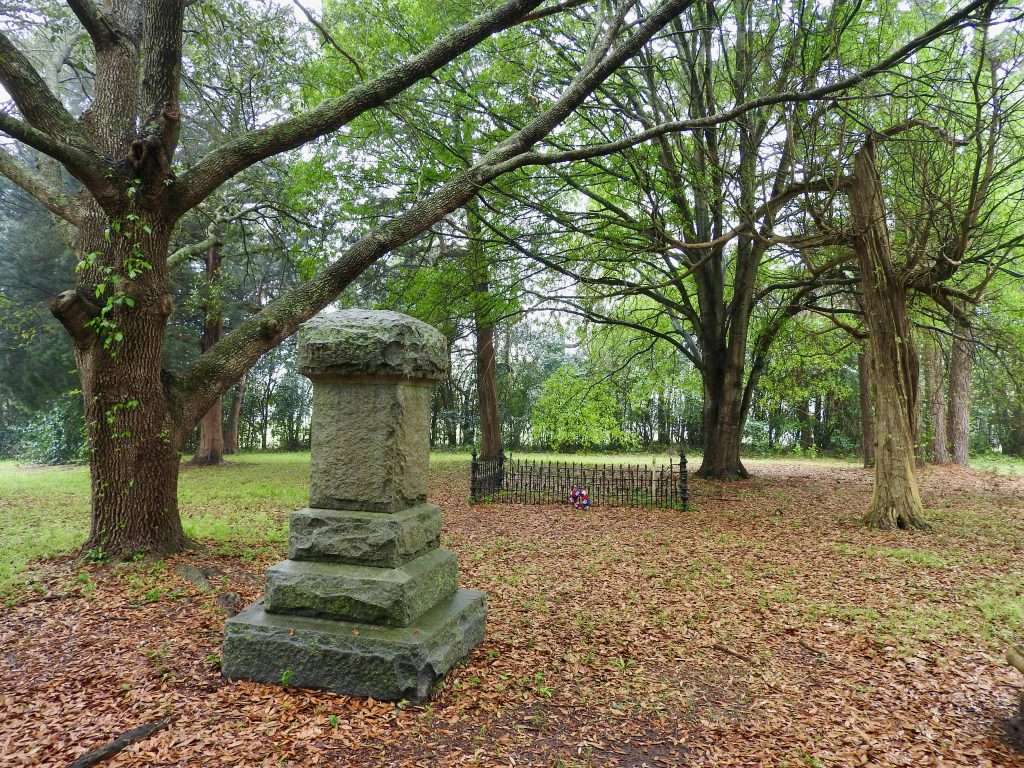
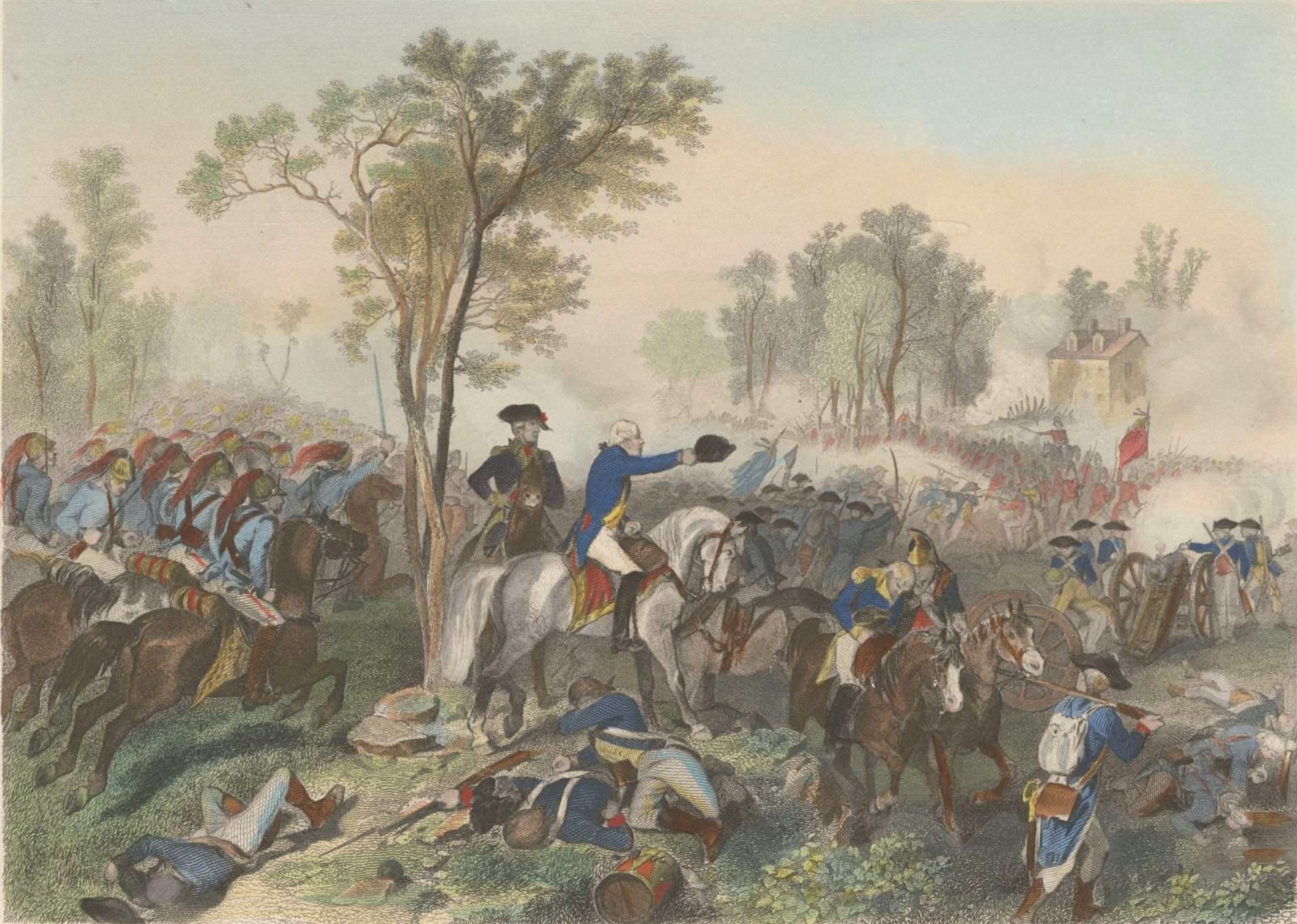
Campbell participated in the last four major engagements of the war in the Carolinas. At Guilford Courthouse in North Carolina on March 15, 1781, his regiment helped inflict heavy losses on the British. At Hobkirk’s Hill, near Camden, South Carolina, Campbell was wounded on April 25 as he rallied his men. On June 18, 1781, he and Henry “Light-Horse Harry” Lee led coordinated attacks on Fort Holmes and on the Star Redoubt near the South Carolina village of Ninety-Six. Campbell’s regiment suffered heavy casualties in a gallant, unsuccessful assault on the redoubt. On September 8, 1781, at Eutaw Springs, South Carolina, one of the war’s hardest-fought actions, Greene’s army was defeated but inflicted such heavy losses on the British army that it withdrew to Charleston, leaving the Carolinas virtually liberated. Campbell was mortally wounded leading a charge that broke a British counterattack. Many years later, Lee’s son added a footnote to his father’s account of Campbell’s death. He reported that Campbell lived long enough to learn that the enemy troops were retreating and that his final words, in imitation of those of General James Wolfe at Quebec in 1759, were, “I die contented.” Campbell was probably buried near the battlefield. One of his sons was present on the occasion, and a few days later Greene wrote to the governor of Virginia praising Campbell as “a brave, active, and intrepid Soldier.”


