


The Iron Works
Scottish merchant James Hunter settled in Fredericksburg by 1749. Almost immediately, he began purchasing property in the region. He purchased the Stanstead plantation from Charles Carter (ca. 1707–1764), the son of Robert “King” Carter, which included some 3,900 acres on the north side of the Rappahannock River, just above the port town of Falmouth in King George County (a 1777 boundary change placed it in Stafford County). With an extensive shoreline that could provide water power for smelting iron and related industrial pursuits, Hunter began construction on a manufactory, as early factories were called, around 1758. He set some 200 men, likely enslaved workers, to dig a head race, or canal, along the north shore of the river. At the head of the canal, they built a dam to divert water from the river. The completed canal was about three-quarters of a mile long and had a fall of twenty feet.
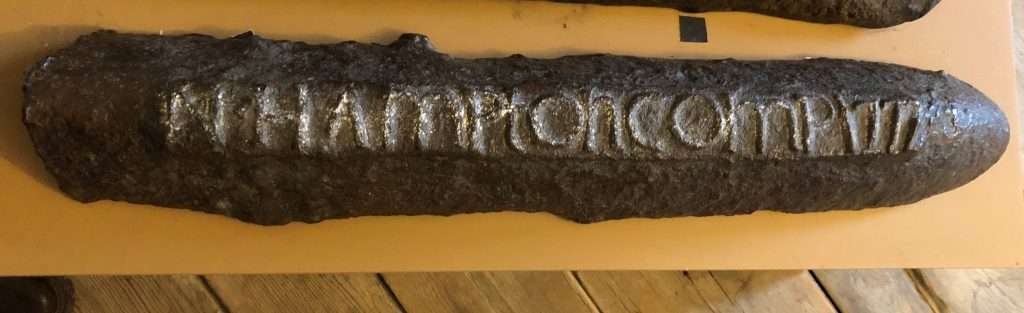
Based on a deed of July 14, 1766, which mentions “the Iron Works of the said Hunter,” the facility was functioning by that time. Hunter began operations with a forge and a grist mill, and later added a saw mill; slitting, plating, and wire mills for the manufacture of thin sheets of iron, nail rods, chain, and wire; and a blast furnace for making pig iron. Initially, he utilized pig iron—a raw form of iron used to make cast iron and steel—produced by suppliers in Prince William County and Maryland.
Hunter employed a mix of skilled and unskilled labor. Many of Hunter’s skilled tradesmen were Quakers from Pennsylvania and New Jersey who arrived in two waves, the first around 1760 and the second in 1776. Unskilled industrial laborers were often enslaved. Due to the rapid growth of the Chesapeake Bay-area iron industry during the first half of the eighteenth century and the dearth of skilled white tradesmen in that field, enslaved workers were taught the intricacies of iron smelting, charcoal making, and blacksmithing and filled vital roles in the industry. In 1783, the first year in which personal property taxes were collected, Hunter paid taxes on 104 enslaved workers.
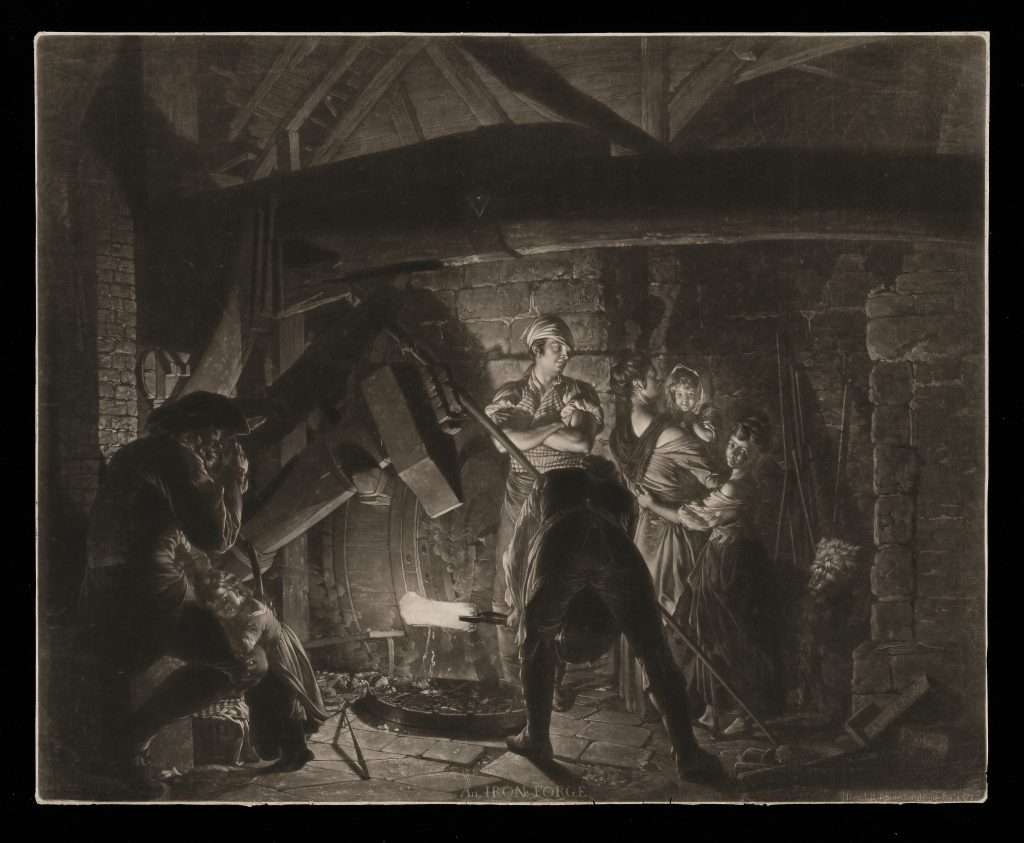
The first known manager at Hunter’s was Alexander Hanewinkel, who was trained “in the making of Heckles, Wool Combs, Tin wool & Cotton Cards, Wire making, &c.” Pennsylvania Quaker John Strode, who was a millwright by trade, replaced Hanewinkel as forge manager around June 1776, though he had been employed at the works since the 1760s.
By 1770, a British commissioner of customs described Hunter’s Iron Works, which included an iron furnace, a brass furnace, mills, a forge, and a gunsmith’s shop, as “the greatest iron works that is upon the continent.”
The American Revolution
The fledgling Continental Army lacked sufficient weapons at the start of the Revolutionary War. Most guns in private hands were not suitable for military use, and more suitable guns couldn’t be imported from Britain. Guns in the colonies were made to order by independent gunsmiths, so production was slow, and parts weren’t standardized. In July 1775, Virginia’s Third Revolutionary Convention called for the establishment of an arms manufactory near Fredericksburg, which became the Fredericksburg Gun Manufactory established by George Washington’s brother-in-law, Fielding Lewis, and merchant Charles Dick.
In December 1775, the Fourth Revolutionary Convention ordered Virginia’s Committee of Safety “to contract, upon the best terms they can, with such gunsmiths, or others, as they may approve, for manufacturing or supplying such quantity of arms as they shall judge proper for the defence of this colony.”
According to Henry Banks, Strode’s clerk, “After the war had commenced with Great Britain, [Strode] obtained the leave of his employer to establish a manufactory of small arms and other utensils necessary for the portending war.” Strode traveled to Pennsylvania and brought back a variety of tradesmen who soon made “rapid progress in making muskets, pistols, carbines, horsemen’s caps, camp kettles, spades, shovels, &c.”
Rappahannock Forge Musket
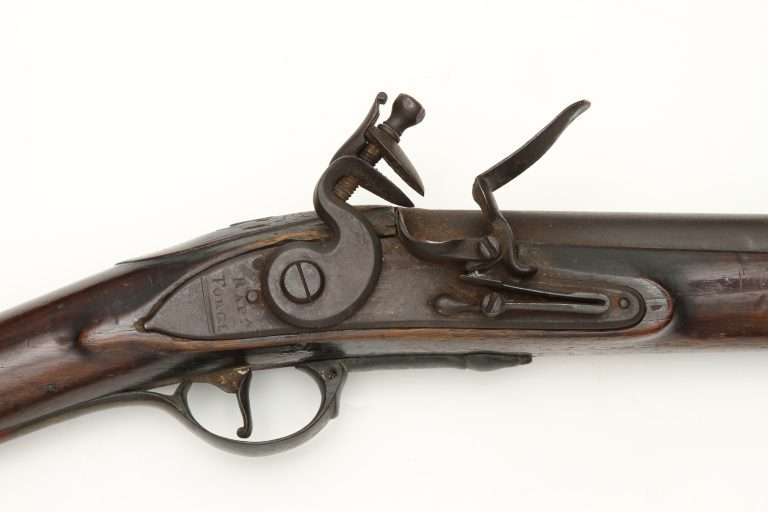
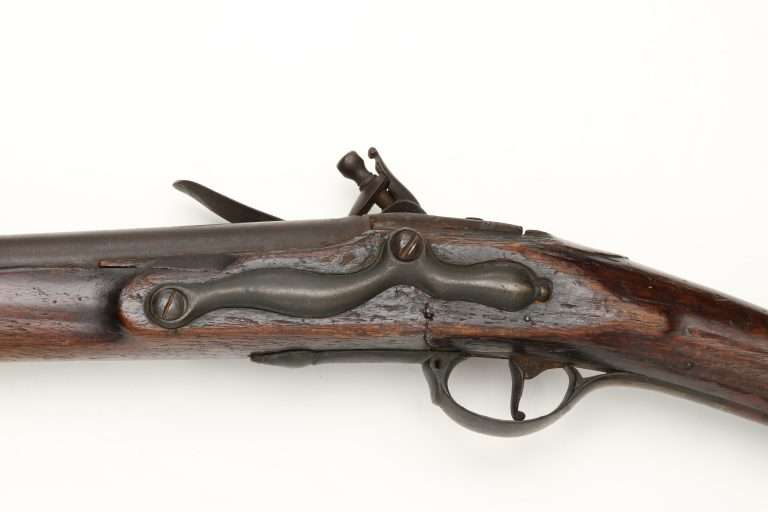
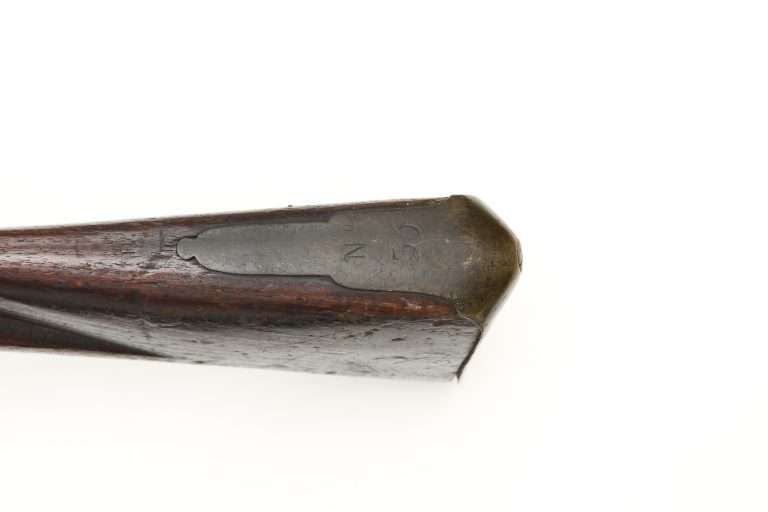
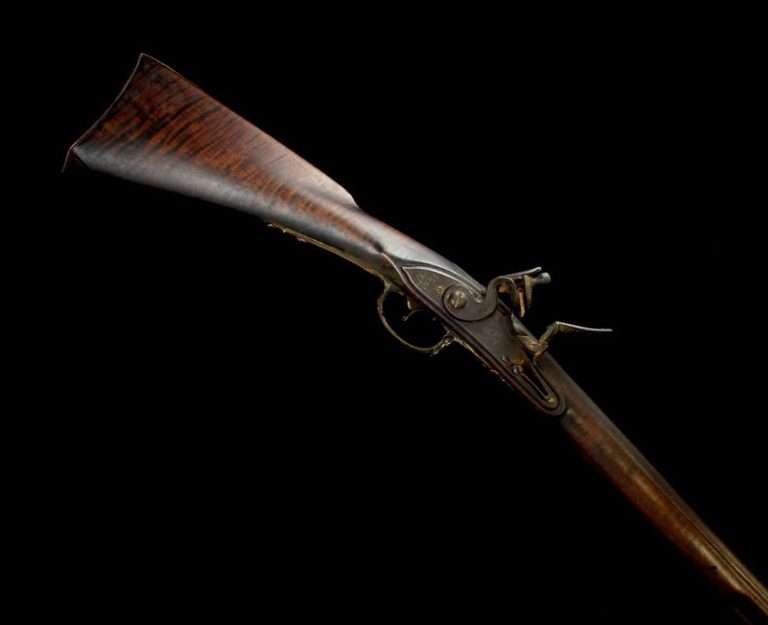
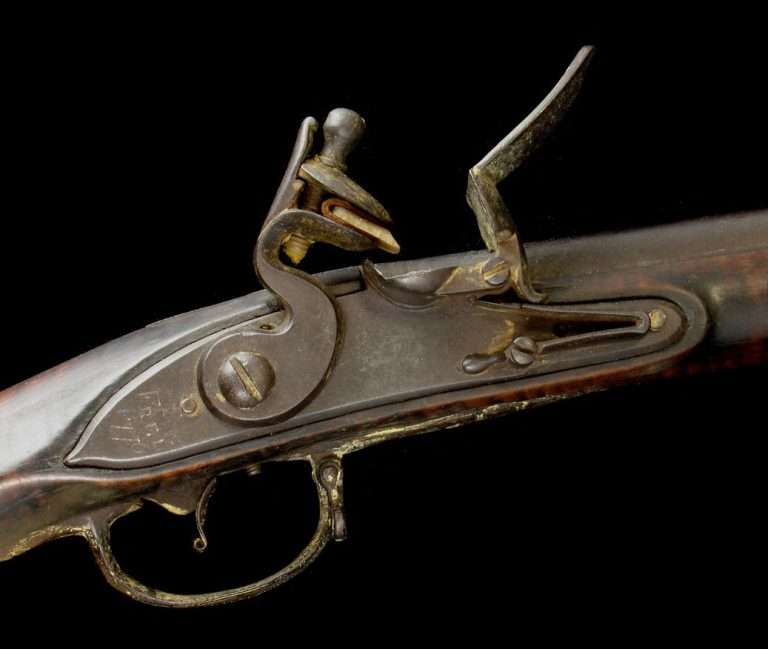
In June 1776, Hunter demonstrated a musket patterned after the standard British Army musket to the Fifth Revolutionary Convention. It directed the Committee of Safety “to engage with Mr. James Hunter, of Fredericksburg, for as many good muskets, with bayonets, sheaths, and steel ramrods as he can manufacture within twelve months from this time.” Hunter was to be paid £8 per musket for what became known as the Rappahannock Forge musket.
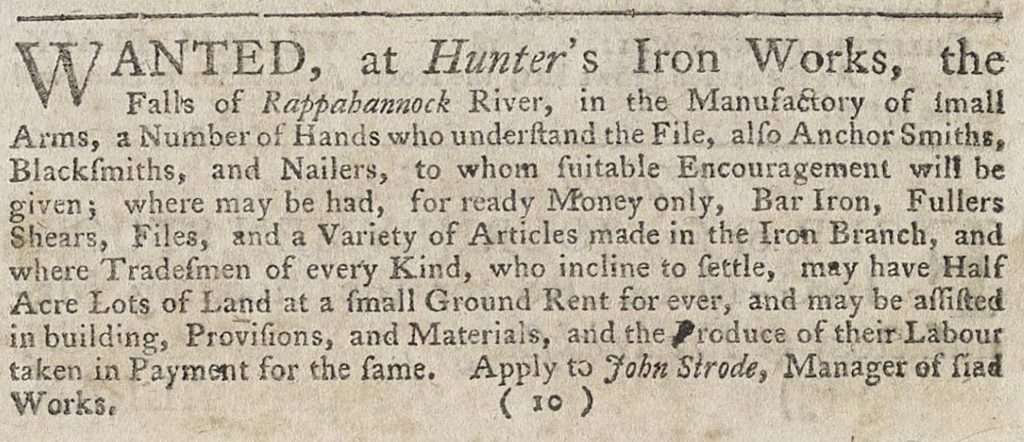
In June 1776, Hunter advertised for “a Number of Hands who understand the File, also Anchor Smiths, Blacksmiths, and Nailers, to whom suitable Encouragement will be given.” He offered tradesmen half-acre lots upon which to build homes. In November, Hunter ran the same advertisement and also offered to purchase “Negro Tradesmen in any of the above Branches, also Coopers.”
By February 1777, Governor Patrick Henry was asking Strode for a plan to expand the iron works. Strode replied that he needed additional tradesmen, a blast furnace, and a source of iron ore to expand the works, as British ships in the area made it difficult to transport ore from Maryland. He said that a “New shop for the Gunsmiths 300 feet in length will be absolutely necessary.” He also requested an exemption from the draft for his workers. He noted, however, that such an expansion “would in the whole amount to a Sum too large I apprehend for you or any private person in America to advance without Government [assistance].”
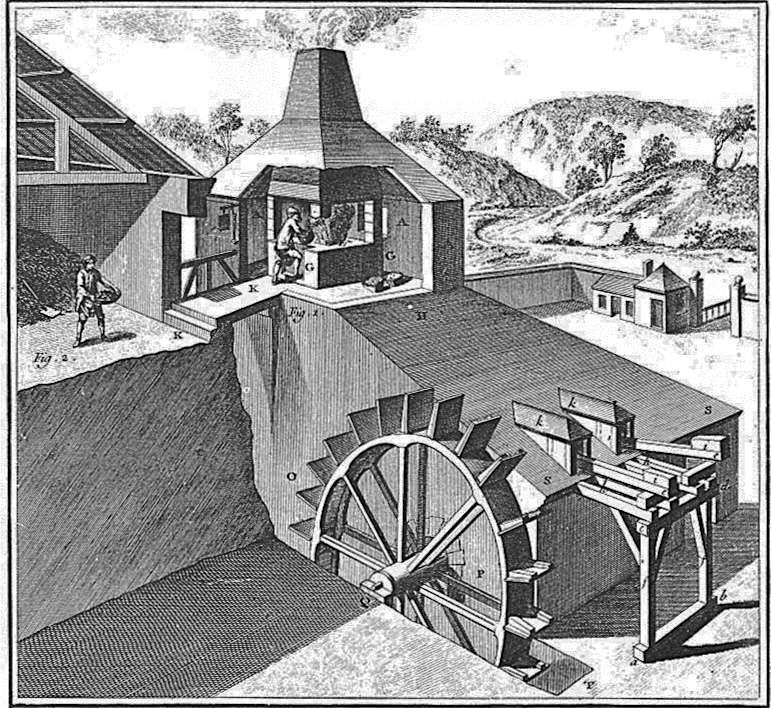
Henry, recognizing the importance of expanding the state’s largest iron manufactory, “took the Liberty of promising him the Assistance of the Public” to enlarge his works. The passage of the “Act for the encouragement of Iron Works” in May 1777 addressed Strode’s requirements, including allowing Hunter to acquire the old Accokeek iron mines in Stafford County to provide a source of iron ore.
The armory, known as the Rappahannock Forge, was some 300 feet long and four stories high. The water-powered machinery was housed on the first floor, with manufacturing on the second floor, lodgings on the third floor, and storage of finished goods on the fourth floor. The forge produced muskets, pistols, and carbines, and a large, semiportable gun called an amusette. It also produced a variety of tools, camp kettles, and horsemen’s swords and spurs.
By June 1777, Hunter’s manufactory included coopers, saddlers, shoemakers, and housing for workers, and a blast furnace was being built. Strode managed operations and labor at Hunter’s and supplied charcoal for Hunter’s and the fledgling Fredericksburg Manufactory. The winter of 1779 was especially severe. Exhausted and ill, Strode retired from Hunter’s around that time. He was replaced as manager by Abner Vernon, who was also a Quaker and had been serving as the company bookkeeper.
The Virginia Navy
In July 1776, Hunter was awarded a contract to supply naval stores—including masts, planks, sailcloth, pitch, tar, turpentine, tools, and hardware—to shipbuilders within the Potomac District. Some of these were manufactured at his works, and some were procured from other sources. He supplied shipbuilders on the Eastern Shore, at Mattaponi, at Smithfield, and at Fredericksburg. In November, Virginia authorities granted Hunter permission to use Cave’s Warehouse, a tobacco warehouse on the south side of Potomac Creek, to store and ship supplies. At Fredericksburg, Hunter provided material for the construction of a galley for the Virginia Navy called Dragon, which was launched in October 1777 and patrolled the Rappahannock.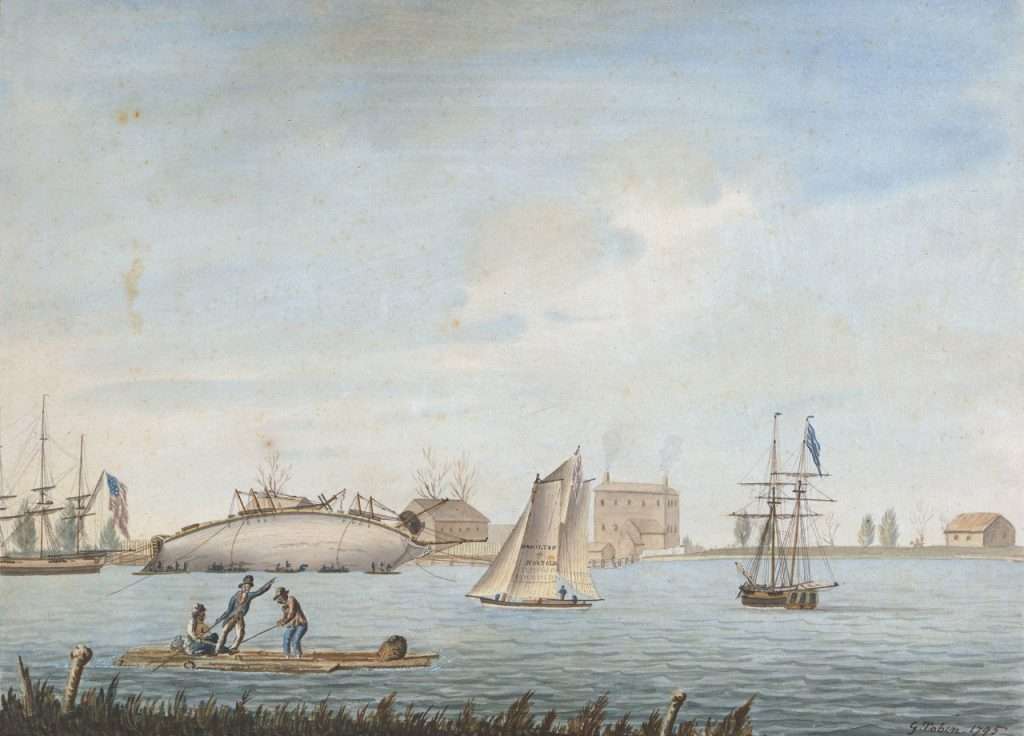
The Decline of the Works
In 1780, the “Act for the encouragement of Iron Works” was rescinded, leaving Hunter’s tradesmen subject to the draft. Some of his gunsmiths relocated to the public Fredericksburg Manufactory, where they were exempt from conscription, and others entered the army. The loss of tradesmen forced Hunter to stop making small arms. In January 1781, with turncoat British general Benedict Arnold raiding throughout the Tidewater, Jefferson warned Hunter to remove and conceal his equipment. The foray to the forge did not occur, but not before Hunter had relocated at least some of his equipment.
Hunter struggled to obtain payment from the Virginia government throughout the war. By 1781, when he requested Governor Thomas Jefferson’s assistance in getting paid, Virginia owed Hunter £180,000, or roughly equivalent to $800,000. In November 1781, the draft exemption was extended to Hunter’s employees, and he resumed some production, but by April 1782, he had discharged all his workmen because of a lack of funds, and weapons production largely ceased.
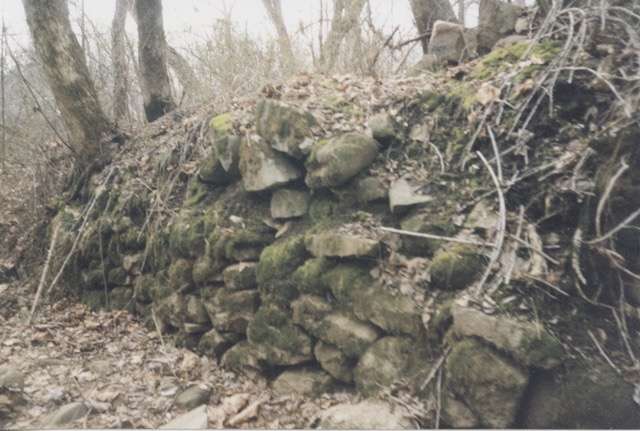
James Hunter died in 1784. Hunter’s executors closed the less productive shops at the forge and kept the others functioning while attempting to collect past due accounts and sell Hunter’s real estate holdings. There were still some enslaved people working at some of the shops at the forge when Hunter’s estate was inventoried in November 1785, and some production likely continued on a reduced scale. Falmouth businessman Joseph Ficklen purchased the property in the early nineteenth century, and the forge and mills continued to operate for a period but eventually fell into disuse when newer mills were built nearby.
Hunter’s estate included personal property in Stafford, Culpeper, and Fauquier counties totaling £12,735, as well as some 200 enslaved individuals. In his will, James emancipated an enslaved woman named Aggy and her children. He directed his brother, Adam Hunter, to give Aggy a parcel of land from his Culpeper tract and provide her with two enslaved people, several cattle and hogs, a mare and two colts, three other horses, corn and pork for the ensuing year, and “corn sufficient for feeding the two slaves and horses allotted her.” She was also to be provided with “houses on the said Land, where she shall choose, fit for her Use, and to her liking,” as well as “all the furniture now in the house she sleeps in.” Such provision for an enslaved woman and her children, when none of Hunter’s other enslaved people were freed, suggests that Hunter and Aggy may have had a personal relationship and that the children may have been his.


