


Background
The environment includes living components such as animals, plants, and bacteria and nonliving components such as the ground, water, the atmosphere, the Variola virus (which causes smallpox) and other disease-causing agents, and the infrastructure humans construct. While environmental changes, especially those caused by war and revolution, are often regarded as negative because of destroyed habitats, reduced species diversity, and waste deposited into the environment, natural processes frequently display a balance, with negative effects paired with positive ones. For example, horses slain on the battlefield provide food for scavengers, and mining a hillside for minerals opens the forest canopy, allowing sunlight to reach plants close to the ground. The broad spectrum of human society also must be considered when evaluating the Revolution’s environmental consequences. While some people benefited from environmental changes—eating more, working less, and feeling safer, for example—others faced greater suffering and danger. The American Revolution and the environmental changes it brought tended to imperil those who lived on the margins of British society in Virginia.
The Ground

The ground on which Virginians lived went through many changes during the Revolution. Farmers exhausted the soil’s fertility by continually growing tobacco to generate money. Deforestation around army encampments and other areas degraded the surface of the land. Without tree roots to anchor the soil, water and wind more easily eroded the thin band of rich organic material at the top. Without tree canopies to provide cover, soils became hotter in the summer and colder in the winter. The ground froze more deeply and thoroughly, leaving it less able to absorb melting snow and seasonal spring rain, which increased runoff and caused more frequent flooding.
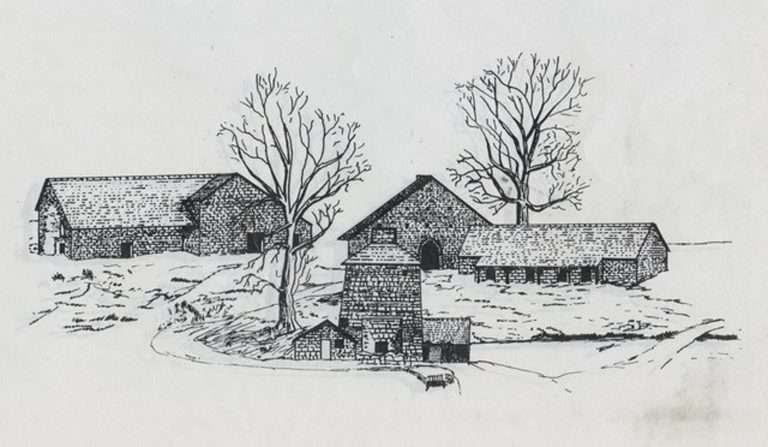
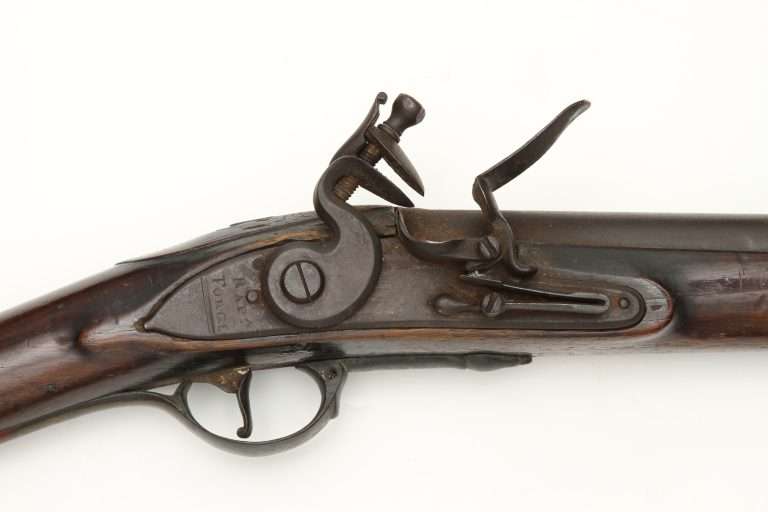
The earth also provided Virginians with substances vital to waging war. In July 1775, the Virginia Committee of Safety authorized a bounty for saltpeter (potassium nitrate) and sulfur, key ingredients in gunpowder that were “manufactured and refined of materials of the natural produce of this colony.” Tobacco planters swept the nitrate-rich dirt from their sheds to manufacture saltpeter, and inhabitants in the western part of the state found deposits of sulfur, but neither produced enough to meet Virginia’s gunpowder demand. Lead mines near present-day Austinville in Wythe County provided critical supplies to the war effort. Iron mines and furnaces, especially those operated by Fielding Lewis and Charles Dick in Fredericksburg and by James Hunter in Falmouth, manufactured countless firearms, shovels, camp kettles, and other items. For cannons and cannonballs, the state turned primarily to John Reveley at Westham, near Richmond; Isaac Zane in Frederick County; and David Ross in Bedford County. Not only did mining scour the land, but iron production necessitated the use of furnaces, which required large amounts of fuel—about thirty cords of wood to produce around 1,100 bushels of charcoal, enough to keep an average-sized furnace going for only a day and a half.
Unlike the ground, the limited nature of this early modern war meant that humans had no significant or lasting impact on the atmosphere, oceans, or waterways. Fires—whether used to cook food, keep warm, or destroy crops, orchards, or structures—created smoke that soon dissipated. The oceans remained unaffected when Virginians extracted salt from seawater to feed animals and preserve foods because operations remained at a modest scale and had only limited success. Similarly, the vast quantity of fresh water in Virginia meant that the amount consumed was insignificant in environmental terms. In specific locations, however, soldiers intentionally spoiled water supplies. According to French reports, the British at Yorktown dumped the corpses of horses and enslaved people into nearby wells.
Built Environments
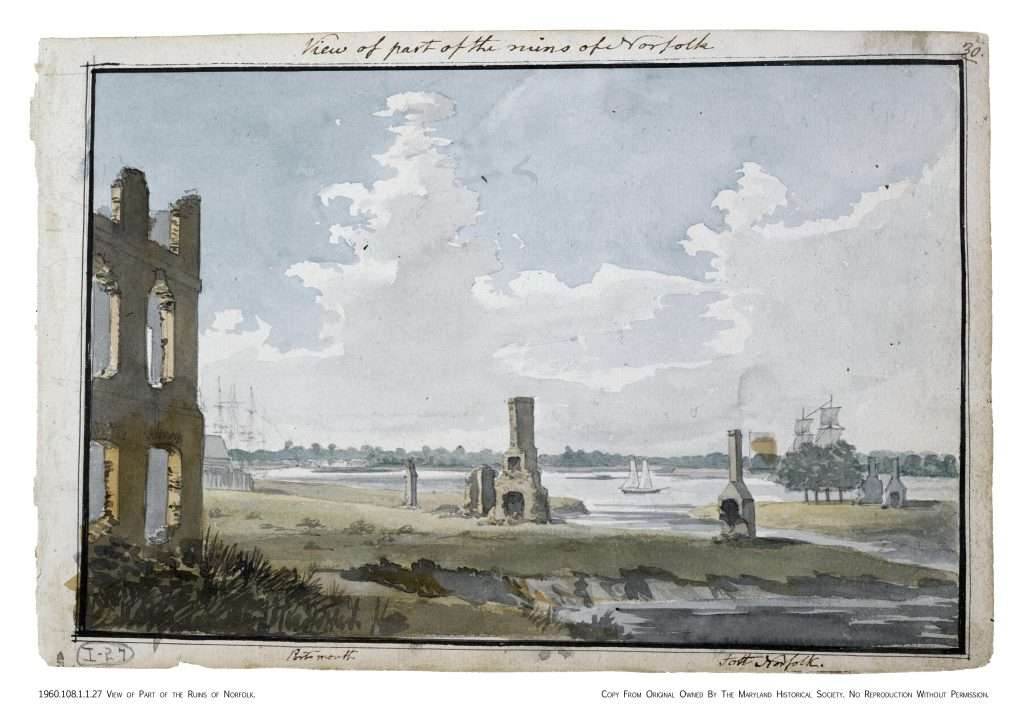
Armed forces caused a wide range of physical damage to urban and other settlements. As Norfolk burned in January 1776, one American soldier wrote, “At Night the fire was so great the Clouds above the Town appeared as red and bright as they do in an evening at sun setting.” By February 6, American and British forces had completed the town’s destruction, wiping out more than 1,333 buildings.
From 1776 to 1779, the war’s main battles occurred in the Mid-Atlantic region, but towns in eastern Virginia subsequently faced attack. A British naval fleet led by Sir George Collier captured and dismantled Fort Nelson, burned ships and supplies at nearby Portsmouth and Gosport, and torched Suffolk. In January 1781, Brigadier General Benedict Arnold and 800 soldiers attacked Richmond, burned tobacco in warehouses, and destroyed about half a dozen other buildings. The soldiers then burned the Westham foundry seven miles away and damaged Benjamin Harrison’s home. The following October, the French and American bombardment of Yorktown devastated the area. According to one French officer, “One could not take three steps without running into some great holes made by bombs, some splinters, some balls, some half covered trenches … Most of the houses [were] riddled by cannon fire, and [there were] almost no window-panes in the houses.”

Virginians also attacked the built environments of Native peoples living in western locations. In October 1776, Colonel William Christian and a force of about 2,000 men destroyed several Overhill Cherokee towns in what is now northeastern Tennessee. In late 1780, Virginians descended on several other Native settlements. George Rogers Clark and about 1,000 militiamen leveled the Shawnee towns of Chillicothe and Piqua in what is today southwestern Ohio. That December, Arthur Campbell led 400 fellow Virginians and 250 North Carolina militiamen into the Overhill Cherokee lands and destroyed about 1,000 houses in the towns of Toqua, Chilhowee, Settico, Tuskegee, and Chota, among others. Roughly 50,000 bushels of corn were also destroyed.
This tactic was in keeping with what historian Rachel B. Herrmann calls “victual warfare,” where competing armies stole, withheld, or destroyed plants and animals, either to satisfy hunger or to prevent enemies from having access to these food sources. In October 1776, for example, after Cherokee forces had attacked frontier settlements across the South, the Virginia militia retaliated by burning numerous towns and countless fields. In April 1779, Virginia militia attacked the British-allied Chickamauga Cherokee at their settlement near present-day Chattanooga, Tennessee, killing five people, destroying corn fields, and carrying off horses and cattle, thus threatening the survivors with famine.
Animals
Animals suffered because of the Revolution. The lives of wild animals were cut short by soldiers who hunted and fished. Some domesticated animals fared better when farmers succeeded in hiding them from roving bands of hungry soldiers; however, commissary officials regularly scoured the Virginia countryside, seized livestock, proffered receipts, and then drove the animals to encampments for slaughter and consumption. Staggering quantities were needed: from December 1777 to February 1778, for example, the Continental Army soldiers at Valley Forge (whose numbers fluctuated between about 11,500 and 16,000) ate more than 2,225,000 pounds of beef. Fearing famine and munity because of a lack of food, General George Washington sought aid from Virginia and pleaded with Governor Patrick Henry to use “the full force of that zeal and vigor, you have manifested upon every other occasion, [to] operate for our relief.” Henry sent out James Barbour and brothers Abraham and Thomas Hite as special agents, and they rounded up more than 10,000 cattle and hogs in the Virginia mountains.

Horses and oxen were not butchered but were hitched to wagons and artillery carriages or saddled to carry officers and cavalrymen. The demands of this work, carried out in all types of weather and often with insufficient food, led to difficult lives and often premature deaths. On August 19, 1781, while marching from New York to Yorktown, Washington wrote in his diary, “The want of Horses, or bad condition of them in the French Army delayed the March till this day; the same causes, it is to be feared, will occasion a slow and disagreeable March to Elk.” The animals faced the same grim fate in battle. During the subsequent siege of Yorktown, Lieutenant William Feltman of the 1st Pennsylvania Regiment noted on October 1, 1781, “This morning the enemy discharged a number of their horses, which were so poor that they were scarcely able to walk.” Two days later, Washington received intelligence that because of a lack of forage, the British had killed an additional 200 artillery horses at Yorktown; on October 10, he learned that more than 1,000 horses had been killed at Gloucester Point.
Plants
Both domesticated and wild plants formed an important part of the daily diets of soldiers and their animals. The official ration for Continental soldiers included meat (beef and pork), bread, rice, and either peas or beans, so Virginia commissaries procured barrels of flour and other grains. Soldiers on the march descended on fruit orchards, plucked ripe berries, and seized any other available food. The army’s work animals also had to eat, requiring prodigious amounts of hay, oats, and corn. In 1778, for example, the Continental Army’s horses ate 253,000 bushels of grain and 2.5 million tons of hay. Providing these supplies taxed the abilities of civilians and quartermasters.
To pay for these provisions, Virginia relied on another plant, tobacco, which had propelled the state’s prosperity for 150 years. Just prior to the war, Virginia annually exported nearly 70,000,000 pounds of tobacco, contributing about 40 percent of the thirteen colonies’ total exports to Great Britain. Virginia’s economy depended on this plant throughout the Revolutionary period.
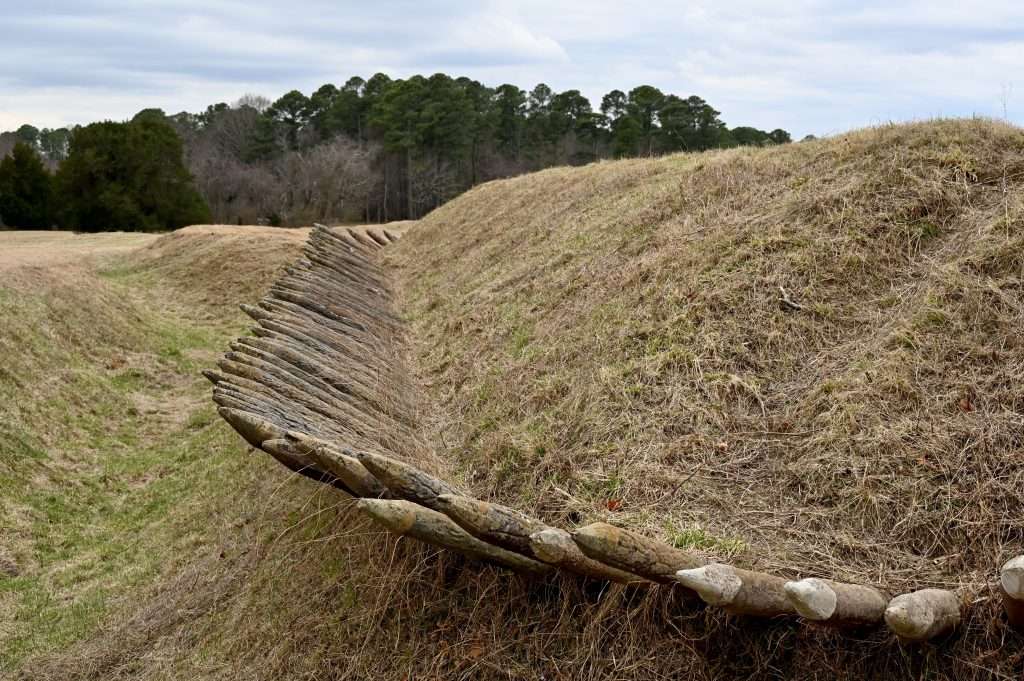
The army also used wood in many ways and in vast quantities. Virginia’s shipbuilders, very active before the war, continued their work. The Continental Army needed fascines (long bundles of sticks) to besiege Yorktown in October 1781, so 1,200 soldiers spent one week collecting and preparing the wood. General Henry Knox also needed platforms to support the army’s seventeen cannons, mortars, and howitzers, so he ordered men to gather as much oak and pine plank as they could. On one expedition, Captain Thomas Shilds impressed 13,540 board feet of pine.
People also relied on wood for heat and shelter. At every encampment, soldiers felled trees for fuel for fires to cook their food and stay warm. The British and Hessian soldiers who surrendered after the Battle of Saratoga on October 17, 1777, were imprisoned first in Massachusetts and then, from 1779 to 1780, near Charlottesville, Virginia. The Convention Army, as this group was labeled, built 336 barracks to house about 3,600 men, an effort that required wood from tens of thousands of trees. To heat the barracks over this two-year period, the men probably burned well over 10,000 cords of wood, which equals a four-foot pile of split logs covering more than five football fields.
Humans
Human actions during the American Revolution brought about a wide range of environmental changes that affected other people; those people, in turn, took actions that created further environmental consequences, producing a perpetual feedback loop. For example, the consumption of plants and animals resulted in the production of bodily waste and animal carcasses. Continental Army officers constantly struggled to get their soldiers to use and maintain latrines. At Yorktown, Continental Army quartermasters ordered dead animals to be buried at least half a mile from camp and required butchers to slaughter cattle at least fifty yards from the wagons. Nevertheless, microbes thrived in these environments, with bacteria such as E. coli causing infections and Salmonella Typhi producing typhoid fever, and the parasite Entamoeba histolytica bringing on amebic dysentery. The Continental Army sent sick soldiers home, where diseases could spread among family members and neighbors. According to historian Woody Holton, “The Revolutionary War killed more U.S. civilians than soldiers and roughly equal numbers of women and men.”
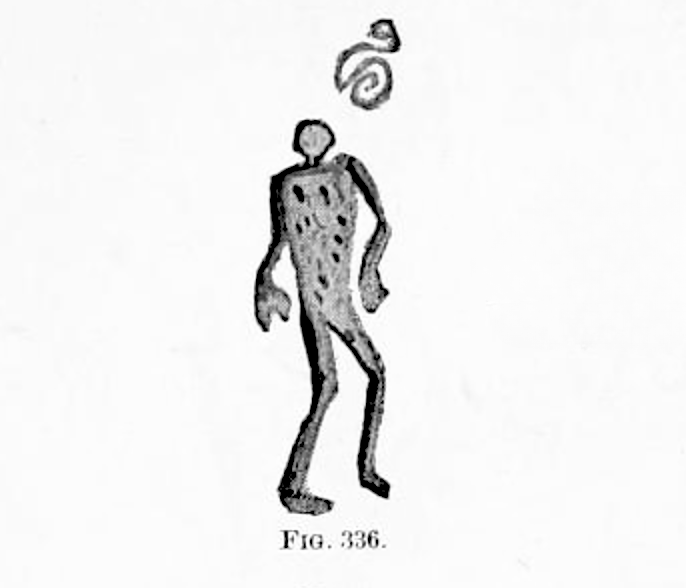
No disease was feared more than smallpox, and military operations promoted its rapid spread. In August 1781, Brigadier General Charles O’Hara moved his British forces from Portsmouth to assist General Charles Cornwallis in the defense of Yorktown and Gloucester but left behind enslaved Black people to reduce the burdens on the army and to avoid exposing British soldiers to the disease. O’Hara knew that the enslaved people “would inevitably perish if our support was withdrawn from them” and delivered 400 of them to loyalist-leaning Princess Anne and Norfolk counties and “begg’d of the people … to take them.” Two months later, as Continental and French forces bombarded Yorktown, Cornwallis stretched his dwindling food supply by expelling most of the Black people in his camp. Some Continental soldiers suspected Cornwallis of engaging in biological warfare, sending smallpox-ridden people toward enemy lines.
Other consequences of this feedback loop played out over longer time frames. About 54,000 Virginians joined the Continental Army and militia units, and uncounted others were driven off as a result of their political sympathies, fled the violence, or died. This loss of labor threatened the viability of their farms for a season or more. Politician and judge Edmund Pendleton warned Governor Thomas Jefferson in 1781 that “our crops, of corn particularly, will be much Injured by the large Number of Militia already in Service.”
Beyond Virginia
Virginians’ actions during the war had lasting consequences for environments beyond the state’s borders. In 1776, the state government sought to draw volunteers into military service by offering them land west of the Appalachian Mountains that was set aside for this purpose. After George Rogers Clark won a series of battles in present-day Illinois and Indiana in 1777–1778, the Virginia assembly organized a preliminary government in the region. In January 1781, the state ceded these western lands to the United States, thereby providing the federal government with a means of paying for the war and enabling Congress to direct the process of western settlement.
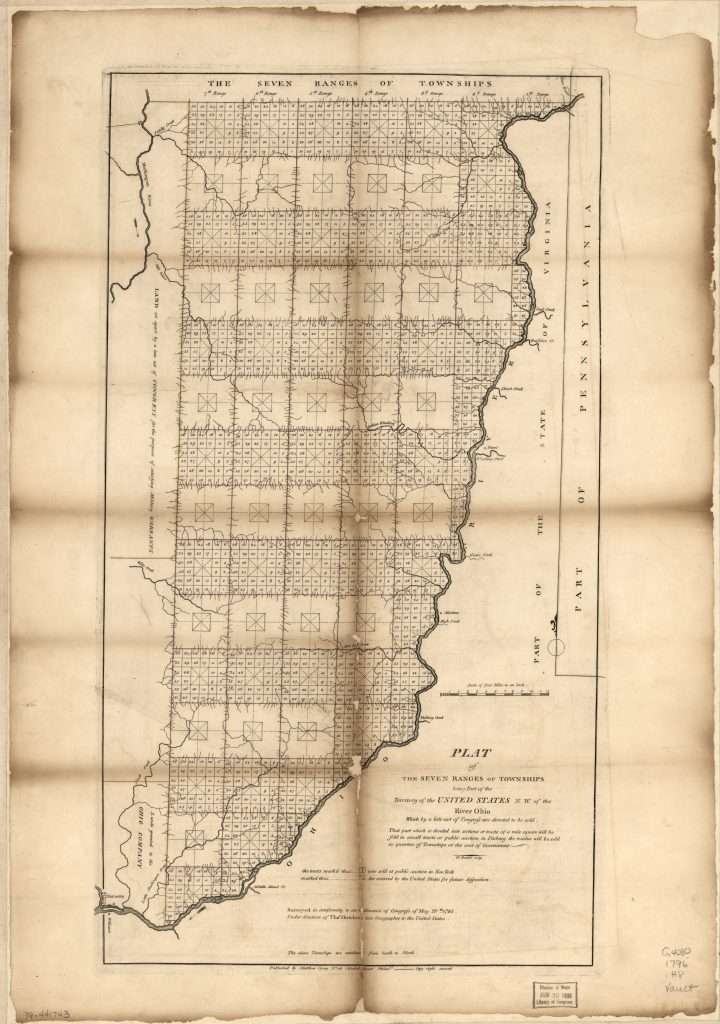
The plans for surveying, administration, and sale of the western lands contributed to arguably the most important and enduring environmental consequences of the American Revolution. As a result of the cessions from the states and the provisions of the Treaty of Paris that ended the war in 1783, the national government controlled 225 million acres of public land. Thomas Jefferson played a key role in developing the Land Ordinance of 1785, which divided this acreage into six-mile-square townships, each containing thirty-six 640-acre sections, and established a system of public auctions for the sale of the property.
This system directed settlement for the next century in the Great Lakes region, the Great Plains, and points further west, and the patterns it created are still visible in the straight lines that roads and boundaries follow. In a more abstract sense, this grid system significantly advanced humans’ desire to free themselves from constraints imposed by the natural world. Previously, people had built roads that followed geographic features such as the landscape contours or rivers; now, humans imposed their will on the land, constructing roads in accordance with the four cardinal directions of the compass.

Finally, this system of selling parcels of land vastly expanded the markets and exchanges that formed a hallmark of American society. It accelerated the process of turning the physical qualities of the environment into a commodity to be bought and sold on the open market. Every part of the environment, from the flow of a river to a pretty view, now carries a price tag. This process drew nature “into the web of commerce,” writes historian Ted Steinberg, and thus “led to sweeping changes in ecosystems throughout the nation.”
During the American Revolution, Virginians sold tobacco, cattle, and other elements of nature to support the war effort and to make a profit. Today, Virginians have set aside pieces of the natural world as parks and recreational areas not only to preserve them but also to earn a living. When visitors to these sites pay their entrance fees, they are interacting with nature in a way that is rooted in the era of the American Revolution.


