

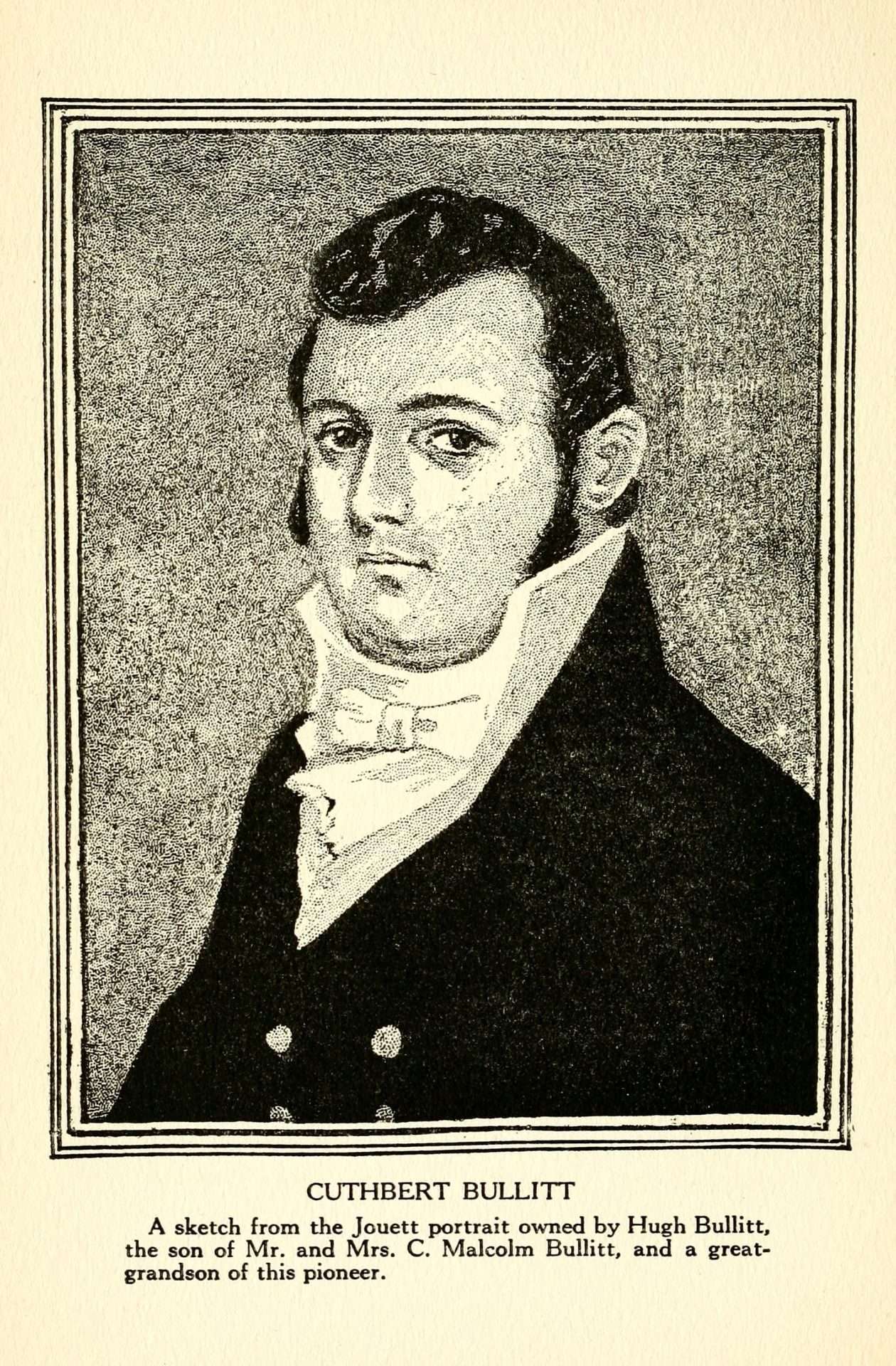
Bullitt was born in Prince William County, probably by 1732, the son of Benjamin Bullitt, of Huguenot descent, owner of a small plantation and sometime justice of the peace, and his second wife, whose name was most likely Elizabeth Harrison Bullitt. He received a classical education, may have attended the College of William and Mary, and read law. By 1759, Bullitt was a practicing attorney in Prince William and Fauquier counties. He married Helen Scott, the daughter of an Anglican clergyman, in about 1760. They lived in a well-furnished brick house overlooking the Potomac River about three miles east of Dumfries and had at least four daughters and two sons, including Alexander Scott Bullitt, who was elected lieutenant governor of Kentucky in 1800.
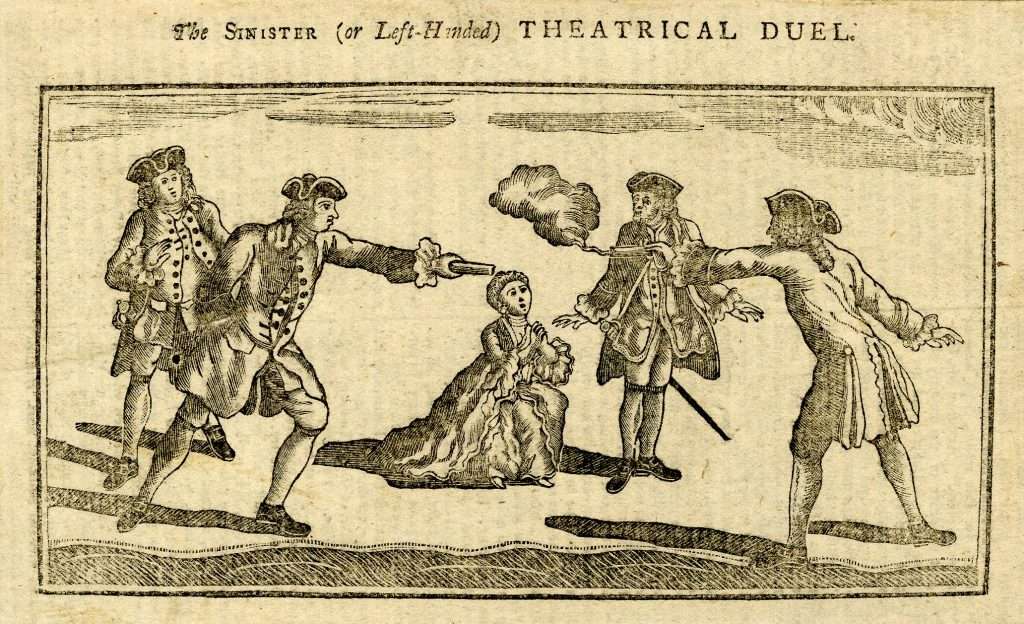
In addition to practicing law, Bullitt acquired land in Fauquier and Prince William counties and produced tobacco and wheat with a workforce that eventually included about forty enslaved workers. In 1765, he was present when one of his brothers-in-law met John Baylis to fight a duel. Bullitt’s attempt to reconcile them failed so badly that Baylis attacked Bullitt, who shot and killed him. An examining court exonerated him on grounds of self-defense.

Bullitt was elected to the Dumfries Committee of Correspondence on May 31, 1774, and to the Prince William County Committee on December 19 of that year. After he criticized the Virginia Convention in November 1775 for undermining revolutionary virtue by paying extravagant salaries to its clerk, chaplain, and other officers, the county committee defended him against charges of disloyalty. On April 1, 1776, Bullitt defeated Thomas Blackburn for one of the county’s two seats in the fifth and final Virginia Revolutionary Convention. Bullitt probably attended every session between May 6 and July 5, 1776. He sat on the standing committees on Privileges and Elections and on Propositions and Grievances and on the committee appointed on May 15, 1776, to draft the Declaration of Rights and the first constitution of Virginia. He voted on May 15 for the resolution instructing the Virginia delegates to Congress to declare independence, and he voted for the adoption of the Declaration of Rights and the Constitution of Virginia. Despite his earlier complaints, Bullitt offered no recorded proposal to reduce the pay of the convention’s officers.
Bullitt’s elder brother, Thomas Bullitt, served as adjutant general of Virginia during the early years of the American Revolution. Cuthbert Bullitt represented Prince William County in the House of Delegates for two terms from October 1776 to January 1778 and became influential there. He served on the Committee of Privileges and Elections and on the Committee of Propositions and Grievances during both terms. In the two sessions of the second term, Bullitt also sat on the Committees for Courts of Justice and of Religion. He was elected to the House of Delegates again in 1785 and served four consecutive terms through the session of October–December 1788. Bullitt arrived late at the sessions of October 1785, October 1786, and October 1787 and so did not receive choice committee assignments, but in the first session of 1788, he sat again on the Committee of Privileges and Elections and chaired the Committee for Courts of Justice. Between those legislative terms, he was commonwealth’s attorney for Fauquier and Prince William counties and a tax commissioner for the latter. In October 1779, Bullitt borrowed a large sum of tax money from the sheriff of Prince William County. Although such loans were not then illegal, the assembly investigated the affair and passed a law prohibiting private use of public funds thereafter.
In politics, Bullitt supported Patrick Henry, whose niece married Bullitt’s elder son in 1785. Like Henry, Bullitt opposed ratification of the Constitution of the United States, and he and another opponent, George Grayson, were elected to represent Prince William County in the state ratification convention that met in 1788. Bullitt supported Henry’s attempt to call a second convention to amend the proposed constitution. He served on the Committee of Privileges and Elections but took no active part in the debates. Bullitt voted for amendment of the Constitution prior to ratification, and when that motion was defeated, voted on June 25, 1788, against ratification.
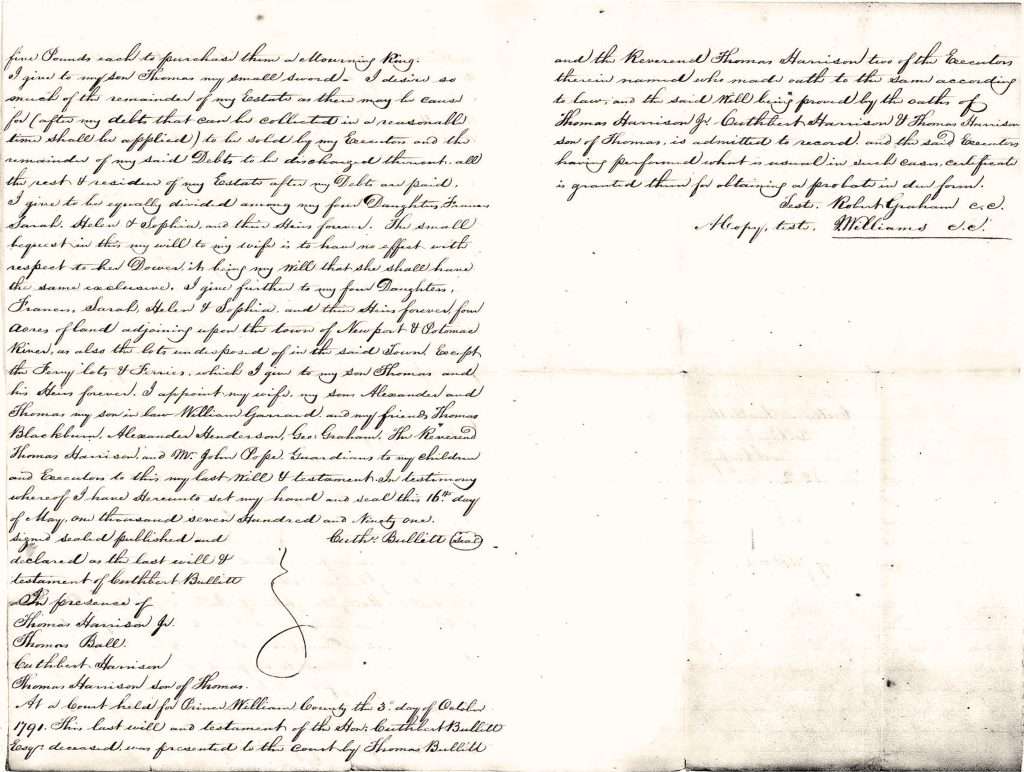
On December 27, 1788, probably through Henry’s sponsorship, the General Assembly elected Bullitt a judge of the General Court. A painful illness not identified in surviving records cut short his career on the bench. Bullitt died on August 8, 1791, at Warm Springs in Bath County, a popular spa he had visited hoping to recover his health. He was buried probably at Warm Springs.


